What Makes A Car Worth Buying
Dec 11, 2025
Perceived Value
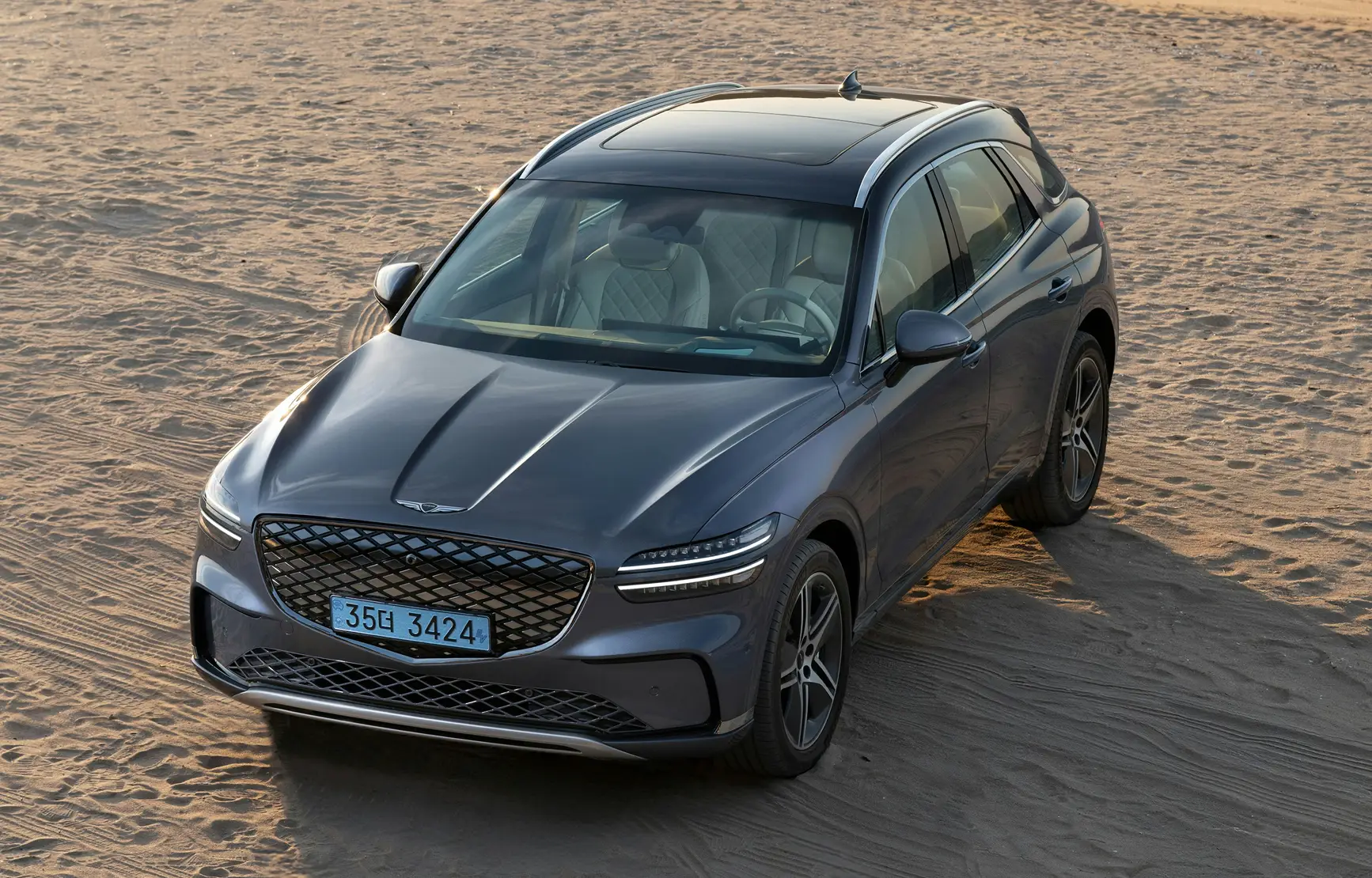
Buyers usually assess value before analyzing details. The way a car is presented its price positioning and overall clarity shape expectations early. A car feels worth buying when its price condition and presentation align in a way that feels reasonable and easy to justify.
Fit Over Features
More features do not automatically create value. Buyers care more about how well a car fits their daily needs than about having the longest feature list. A car that matches usage habits budget and ownership expectations feels more valuable than one that offers extras.
Condition Signals
Condition plays a central role in perceived worth even when it is not immediately obvious. Consistent maintenance clean interior state and signs of careful ownership reduce uncertainty. Buyers value predictability because it lowers perceived risk after purchase.
Ownership Costs
Value is closely tied to what happens after the purchase. Buyers consider fuel usage insurance maintenance and resale potential even if only subconsciously. A car feels worth buying when future costs seem manageable and transparent rather than uncertain.
Confidence
A car becomes worth buying when it creates confidence in the decision. Clear information realistic pricing and honest presentation reduce hesitation. Buyers often choose the option that feels easiest to commit to rather than the one with the most impressive specifications.
Conclusion
A car is worth buying when value feels balanced and understandable. Fit condition ownership costs and confidence matter more than isolated numbers. Buyers who focus on these factors make decisions they are more comfortable with over time.
You Might Like


Want this template?